
What a Free Painting Estimate Should Include in Connecticut
A good estimate tells you exactly what you're paying for. Here's what to look for before you sign with any painter.
Why late fall and winter are ideal for interior house painting in Connecticut: scheduling, drying, low-odor paints and how to prepare your home.
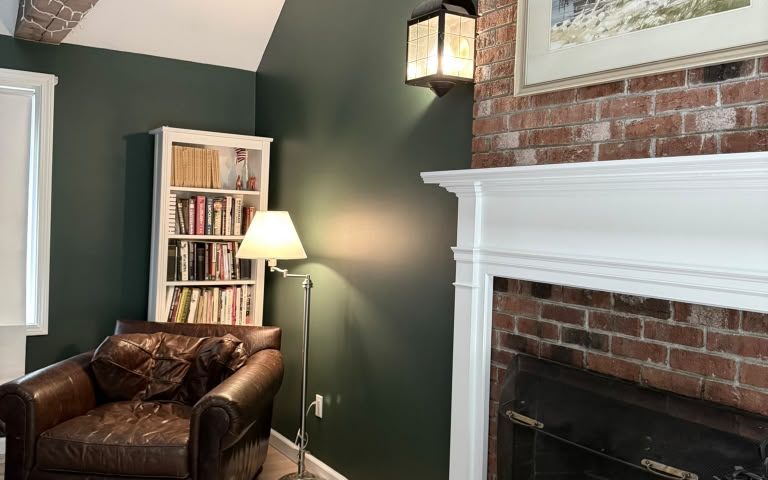
Many homeowners think of painting as a spring and summer project. That's true for exteriors, but interior painting can happen year-round, and late fall and winter are some of the best times to do it. Schedules are more flexible, modern paints perform well indoors at heated temperatures, and a refreshed interior makes long Connecticut winters feel brighter. Here's why the colder months are worth considering for your next interior project.
During the warm months, painting companies focus on exterior work while the weather allows. Once fall arrives and exterior projects wind down, interior painting schedules tend to open up. That often means more choice of dates and the ability to plan the work around your family's calendar.
If you want rooms finished before holiday gatherings, it's best to plan early in the fall. Projects after the holidays can be scheduled in January and February, when many homeowners are ready for a fresh start.
Interior paints need moderate temperatures and humidity to dry properly. A heated home in winter typically provides stable conditions, and indoor air tends to be drier than in humid summer months, which can help paint dry evenly.
Keep the heat on and consistent during the project. Turning the thermostat down overnight can slow drying, so it's best to maintain a comfortable temperature while the work is underway.
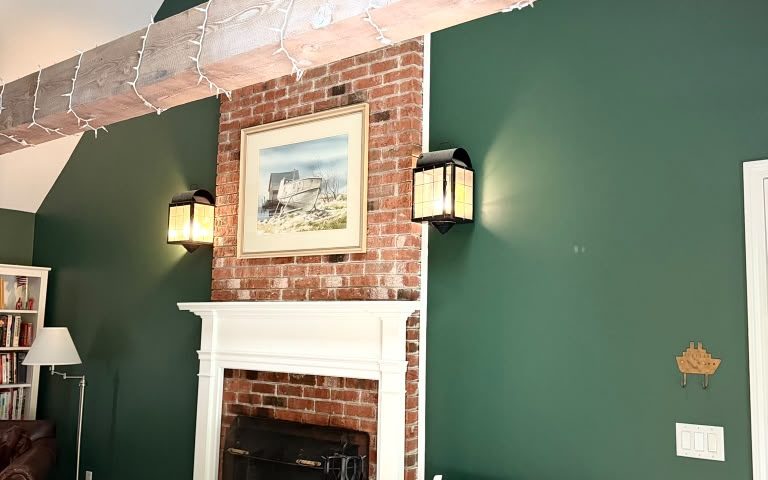
Ventilation is harder when windows are closed, but today's low-VOC and zero-VOC interior paints have far less odor than older products. Most homeowners can stay in the house during interior painting with minimal disruption. A few minutes of fresh air or running exhaust fans helps clear any remaining smell.
If you can't paint the whole house at once, focus on the rooms you use most or that will be seen by guests. Living rooms, kitchens, entryways and hallways make the biggest impression. Bedrooms are good candidates for winter painting because they can be done quickly and easily planned around.
Ceilings, trim and doors are also worth considering. Refreshing them at the same time as the walls gives each room a finished, unified look.
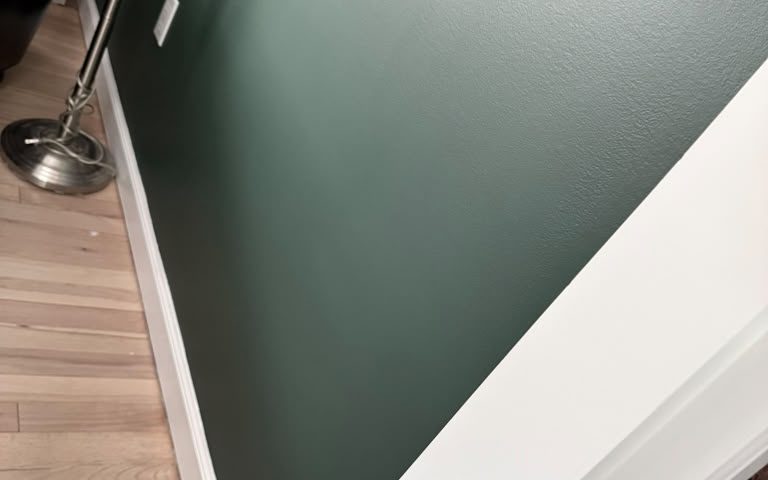
Winter light is softer and cooler, and days are shorter. Colors can look different than they do in summer. Test samples on several walls and look at them in the morning, afternoon and evening under your normal lighting before deciding.
Warm whites, soft neutrals and deeper accent colors can make rooms feel cozy in winter. Lighter colors help brighten darker spaces.
A little preparation helps the project go smoothly. Remove small items, artwork and fragile decorations from the rooms being painted. Clear space around walls and let your painters know about any areas of concern, such as cracks, stains or nail holes.
Professional painters typically move and cover furniture, protect floors and handle repairs. Your job is mostly to decide on colors and enjoy the result.
When a room is repainted, the ceiling and trim often look tired next to fresh walls. Painting them at the same time costs less than coming back for them later, because furniture is already moved and floors are already protected. White ceilings in particular can yellow over time, and a fresh coat makes the whole room feel brighter in winter's lower light.
Doors and baseboards take daily wear from shoes, vacuums and pets. Repainting them with a durable satin or semi-gloss enamel during the same project gives each room a crisp, finished look that lasts.
If you are planning to sell your home in the spring, winter is the ideal moment to handle interior painting. Fresh neutral walls photograph well for listings and help buyers picture themselves in the space. Completing the work early leaves time for other projects before the market gets busy.
The same timing works for families hosting graduations, showers or summer guests. Getting the interior done in the off-season means one less thing to worry about when the weather finally warms up.
Most single rooms are finished in one to two days, depending on repairs, ceiling height and the amount of trim. A full floor of a house might take a week, and a whole-house interior repaint can take a couple of weeks. Winter scheduling makes it easier to plan these projects in phases, one area at a time, so daily life is barely interrupted.
Ask your painter to outline which rooms will be done on which days. That way you can plan around work-from-home days, school schedules and holiday visitors, and you'll know exactly when each space will be back to normal. With good planning, many families find that a winter repaint is far less disruptive than they expected.
Not every winter project needs to be large. A front entry, a powder room, a staircase or a home office can be finished in a day or two and changes how the house feels every time you walk through it. These smaller spaces are also a good place to try a bolder color, since they are easy to repaint later if your taste changes.
Bathrooms deserve a mention of their own. Winter is a good time to address peeling paint caused by steam, using a moisture-resistant finish and making sure the exhaust fan works well. A refreshed bath feels cleaner and brighter through the darkest months of the year.
Laundry rooms, mudrooms and kids' rooms are other quick wins. They take hard daily use, and a scrubbable finish applied in winter keeps them looking clean right through spring and summer, when the house is busiest.
If you're unsure where to begin, start with the room you see first each morning. Its fresh color sets the tone for the whole house during the shortest, grayest days of the year.
A clear plan up front makes all the difference.
If you've been thinking about refreshing your home, the colder months are a great time to do it. Learn more about our interior painting service, read what a painting estimate should include, or request a free interior estimate.
Yes. Interior painting is done year-round, and heated homes provide good conditions for paint to dry and cure.
Low-VOC paints have little odor, so brief ventilation or exhaust fans are usually enough. Keep the heat on to maintain drying conditions.
Booking early in the fall gives the best chance of finishing before holiday gatherings, especially for multiple rooms.

Professional painters based in Wallingford, CT, serving homeowners across New Haven County, the Shoreline and the River Valley.

A good estimate tells you exactly what you're paying for. Here's what to look for before you sign with any painter.
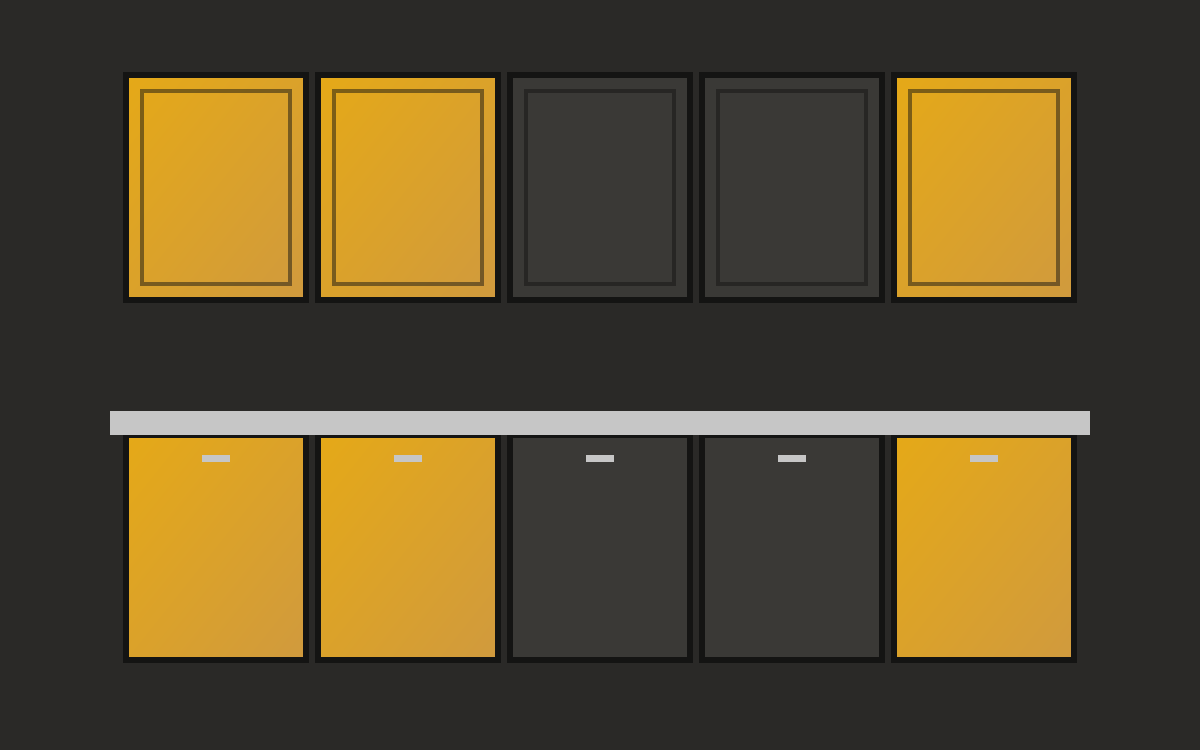
New cabinets aren't the only way to a new kitchen. Compare cost, time and results for each option.
Put this advice to work. Request a free written estimate and we'll walk through your project with you.