
What a Free Painting Estimate Should Include in Connecticut
A good estimate tells you exactly what you're paying for. Here's what to look for before you sign with any painter.
Compare kitchen cabinet painting, cabinet refinishing and full replacement: cost, timeline, durability and which option fits your Connecticut kitchen.
When a kitchen starts to feel dated, the cabinets are usually the first thing homeowners want to change. They are also the most expensive part of most kitchen renovations. Before you start collecting quotes for new cabinetry, it is worth understanding the three main options: painting, refinishing and replacing. Each one has a different cost, timeline and result, and the right choice depends on the condition of your cabinets and what you want your kitchen to look like.
Cabinet painting means applying a new opaque color over your existing cabinets after thorough preparation. Done professionally, it involves removing doors and drawer fronts, degreasing, sanding, priming with a bonding primer and applying two coats of a cabinet-grade enamel.
Painting is ideal when the cabinet boxes are solid and the layout works for you, but the color or finish feels dated. It's the most common choice for oak cabinets with an orange tone, builder-grade white cabinets that have yellowed, or wood cabinets that simply don't match the rest of the house anymore.
Kitchen cabinet painting typically costs a fraction of replacement. Most kitchens are completed in one to two weeks, including curing time, with much of the kitchen still usable during the process.
Cabinet refinishing is a broader term. It can mean stripping the existing finish and re-staining the wood, applying a new clear coat or, in many contexts, painting. True refinishing that keeps a stained wood look requires removing the old finish down to bare wood, which takes more time and is best suited to high-quality solid wood cabinets.
If you love the grain of your cabinets but want a richer or lighter tone, refinishing with stain may be the right choice. If you want a completely different color, painting is usually faster and more predictable.
Replacement makes sense when the cabinet boxes are damaged, the layout doesn't work, or you're already planning a larger renovation that changes walls, plumbing or appliances. It's also the only option when cabinets are made of materials that can't hold paint, such as peeling thermofoil.
Replacement is the most expensive option and usually involves new countertops, backsplash work and several weeks without a working kitchen. For many homeowners, painting achieves most of the visual change for far less disruption.
Start by looking honestly at the cabinet boxes. Are they solid wood or plywood? Do the doors open and close properly? Is there water damage under the sink? If the structure is sound, painting or refinishing is almost always worth considering.
Then think about the look you want. Painted cabinets suit modern, transitional and farmhouse styles. Stained wood suits traditional and rustic kitchens. If you're not sure, a sample door finished in your chosen color can help you decide.

Most failed cabinet paint jobs fail for the same reason: inadequate preparation. Kitchens accumulate grease near the stove and around handles, and paint won't bond to it. Skipping degreasing, using wall paint instead of cabinet enamel or rushing cure times leads to chipping and peeling within months.
Professional cabinet painting avoids those problems with a careful process and the right products. That's why the finish looks like it came from a factory and stays that way under daily use.
White and off-white remain popular because they brighten kitchens and work with most countertops. Deep greens, navy and charcoal have become common choices for islands and lower cabinets, often paired with lighter uppers. Warm neutrals like greige and soft taupe are a good middle ground.
Remember that cabinet color interacts with your countertops, floors and lighting. Look at samples in the morning and evening before deciding.
Painting is a natural moment to rethink the small details. New pulls and knobs change the character of a kitchen as much as the color does, and soft-close hinges can often be added to existing cabinets while the doors are off. If you plan to change hardware size, tell your painter before the project starts so old holes can be filled and sanded before priming.
Some homeowners also use the project to paint the inside of glass-front cabinets, add a contrasting color to an island, or extend the color to a nearby built-in or bar area. Grouping these extras into one job usually costs less than adding them later, because the setup, masking and spraying are already in place.
Freshly painted cabinets need a little patience at first. Even when the surface feels dry, cabinet enamels continue to harden for several weeks. During that time, open and close doors gently, avoid harsh scrubbing and wipe up spills promptly with a soft cloth and mild soap.
After the finish has fully cured, everyday care is simple. Clean handles and the areas around the stove regularly, since grease buildup is what eventually dulls the surface. Avoid abrasive pads and strong solvents, and use bumpers on doors that close hard. If a chip does appear, a small touch-up with the leftover paint blends in easily, which is one more reason to keep a labeled container from your project.
Cabinet projects are easier when you plan a few simple meals ahead of time. Set up a small coffee and breakfast station outside the kitchen, keep paper plates on hand for the days when the frames are being sprayed, and ask your painter which days the sink and appliances will be fully accessible.
Pets and small children should stay out of the work area while primer and enamel are drying. A little planning turns what could feel like a renovation into a short, manageable project with a dramatic result at the end.
When the doors go back up, take a few minutes to walk through the kitchen with your painter, open every door and drawer, and confirm that gaps, alignment and hardware are exactly how you want them.
If your cabinets are structurally sound, painting is likely the most cost-effective way to transform your kitchen. You can learn more on our cabinet painting page, or request a free cabinet painting estimate. We'll look at your cabinets, tell you honestly which option makes sense and give you a written estimate.
In most cases, yes. Painting usually costs a fraction of new cabinets and avoids the cost of new countertops and the longer disruption of a full renovation.
With proper preparation and cabinet-grade enamel, painted cabinets can look great for many years, and small chips are easy to touch up.
Yes. If you want a smooth finish, the open grain of oak can be filled before priming. If you like the texture, it can be left visible under the paint.

Professional painters based in Wallingford, CT, serving homeowners across New Haven County, the Shoreline and the River Valley.

A good estimate tells you exactly what you're paying for. Here's what to look for before you sign with any painter.
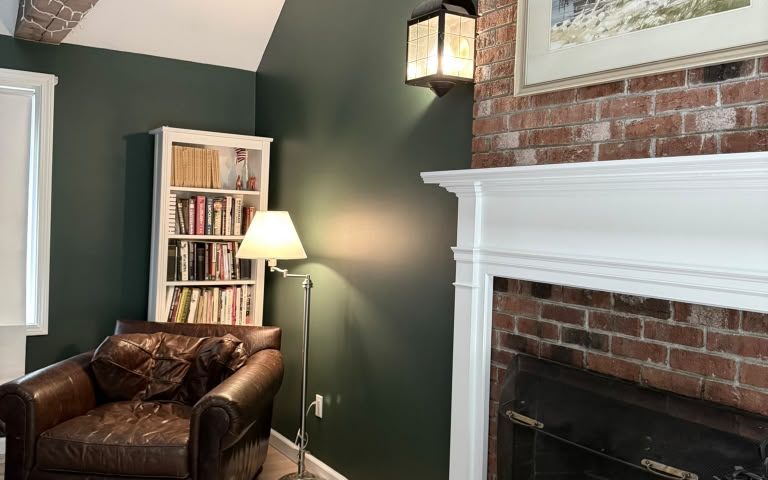
The exterior season is winding down, but it's prime time for interior painting. Here's why, and how to plan.
Put this advice to work. Request a free written estimate and we'll walk through your project with you.