
How to Check That a Painting Contractor Is Licensed and Insured in Connecticut
Registration, insurance and a written contract protect your home. Here's how to verify all three in a few minutes.
A homeowner's guide to free painting estimates in CT: what a house, interior, exterior or cabinet painting estimate should list, and the red flags to avoid.

Searching for a painting estimate near me usually returns a long list of companies promising a free quote. The quote itself costs nothing, but the quality of that document decides how smoothly the project goes. A vague number written on the back of a business card leaves room for surprises. A detailed estimate protects both you and the painter. Here is what a complete free painting estimate in Connecticut should include, whether you are pricing a single room, a full exterior or a set of kitchen cabinets.
Two quotes for the same house can differ by thousands of dollars, and the lower one is not always the better deal. The difference usually comes from what each painter plans to do. One estimate may include scraping, priming and two finish coats; another may assume a single coat over whatever is already there. Unless both documents spell out the scope, you are comparing numbers, not projects.
A detailed estimate also sets expectations for the work itself. When the surfaces, products and number of coats are written down, everyone knows what done looks like. That clarity is what prevents the uncomfortable conversation halfway through a job about whether the trim was supposed to be included.
Whatever the size of the project, a professional house painting estimate should cover the same basic information. If any of these items is missing, ask for it before you sign.
That last point deserves attention. Rotted trim, water-stained drywall and failing plaster are sometimes discovered only once work begins. A good estimate explains how those situations will be handled, usually by pausing, showing you the problem and pricing the repair separately for your approval.

An interior painting estimate should break down the work by room. That makes it easy to remove a room if the budget is tight, or to add one later at a known price. Look for notes on ceiling height, stairwells and other areas that need special ladders, because those affect time and cost.
Going from a deep red to a soft white, or from builder beige to a dark accent color, usually requires extra coats or a tinted primer. The estimate should say how color changes are handled so you are not charged for an extra coat you didn't know about.
Ask whether moving furniture, covering floors and removing outlet covers are included. Most professional painters include this, but it should be in writing.
An exterior painting estimate needs more detail about preparation than an interior one, because preparation determines how long the paint lasts outside. It should state whether the house will be pressure washed, how loose paint will be removed, whether bare wood will be primed and how failed caulk will be handled.
It should also list every exterior component: siding, trim, soffits, fascia, gutters, shutters, doors, porch floors, railings and decks. If deck staining is included, the estimate should name the type of stain and whether the deck will be cleaned or stripped first.
Finally, look for a note on weather. Exterior work in Connecticut depends on temperature and moisture, and a responsible painter will explain how weather delays are handled.
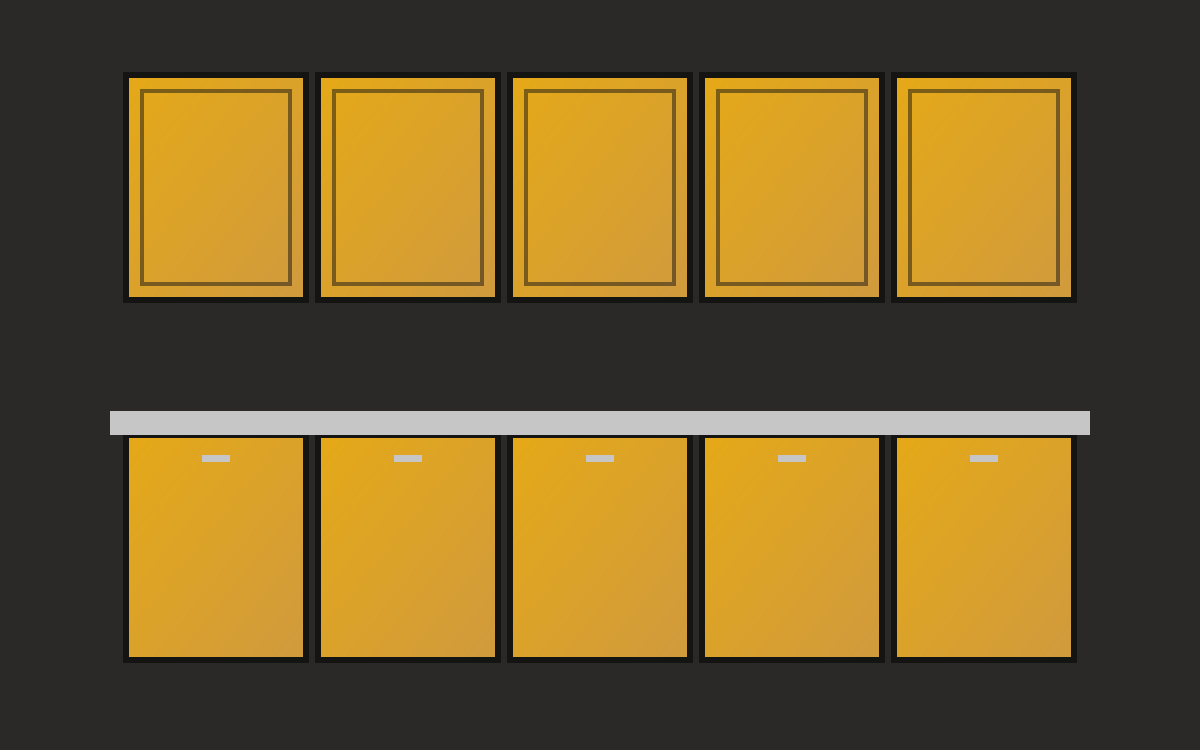
A cabinet painting estimate is a different kind of document. Instead of square footage, it usually counts doors, drawer fronts, end panels and face frames. It should describe how the cabinets will be cleaned and degreased, what primer will be used, how many finish coats will be sprayed or brushed and how long the doors will be out of the kitchen.
If you are replacing hardware, the estimate should say whether filling old holes and drilling for new pulls is included. If the interiors of the boxes are being painted, that should be listed separately.
A few warning signs suggest an estimate may lead to problems later. Be cautious if the painter cannot explain what preparation is included, if the quote is a single number with no breakdown, or if a large cash deposit is requested before anything is scheduled.
In Connecticut, home improvement contractors are required to be registered with the Department of Consumer Protection, and contracts for home improvement work must be in writing. Our guide to checking that a painter is licensed and insured explains how to verify both before you hire anyone.
Once you have two or three written estimates, lay them next to each other and compare line by line rather than looking only at the total. Check whether each one includes the same rooms and surfaces, the same number of coats and similar preparation. If one estimate leaves out ceilings or trim, or assumes one coat where another assumes two, the totals are not really comparable.
Look at the products as well. A premium paint line costs more per gallon but usually covers better, resists stains and holds its color longer. When the gap between two prices is large, ask each painter to explain what accounts for it. A confident, specific answer is a good sign that the estimate was built on a real assessment of your home.
The walkthrough is your chance to understand how the painter thinks about your home. Ask how they plan to handle any cracks, stains or peeling you've noticed, and which areas they consider the most work. Ask how long each phase will take and who will be your contact once the job begins.
You can help the painter give you an accurate number. Be clear about which rooms or surfaces you want included, mention any known problems such as leaks or peeling, and share your timing. If you already have colors in mind, say so, because some colors need more coats than others.
When you are ready, you can request a free painting estimate from our team. We walk the space with you, note every surface and send a written estimate that lists exactly what is included for your interior, exterior or cabinet project.
Yes. A reputable painting company will visit, evaluate the work and provide a written estimate at no cost and with no obligation to hire them.
Two or three detailed estimates are usually enough to understand the market and compare scope. More than that tends to add confusion rather than clarity.
Photos can help with a rough range, but an accurate estimate for a full project usually requires seeing surface conditions in person.

Professional painters based in Wallingford, CT, serving homeowners across New Haven County, the Shoreline and the River Valley.
Registration, insurance and a written contract protect your home. Here's how to verify all three in a few minutes.
The exterior season is winding down, but it's prime time for interior painting. Here's why, and how to plan.
Put this advice to work. Request a free written estimate and we'll walk through your project with you.